 Body
Body
 Beard
Beard
 Hair
Hair
 Gifts and Gear






 VERIFIED BUYER
 All Body
 Solid Cologne
 Body Wash for Men
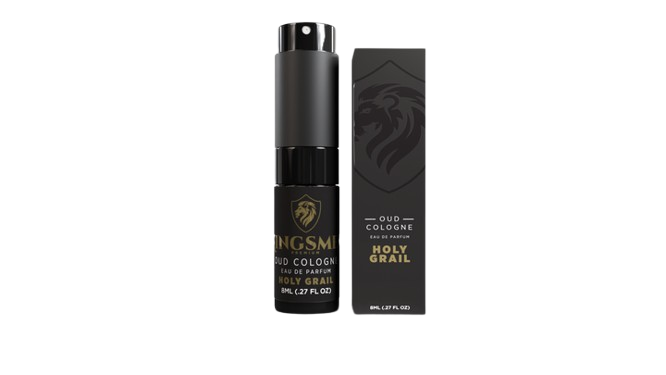
 Holy Grail Oud Spray Cologne
 Men's Lotion
 All Beard
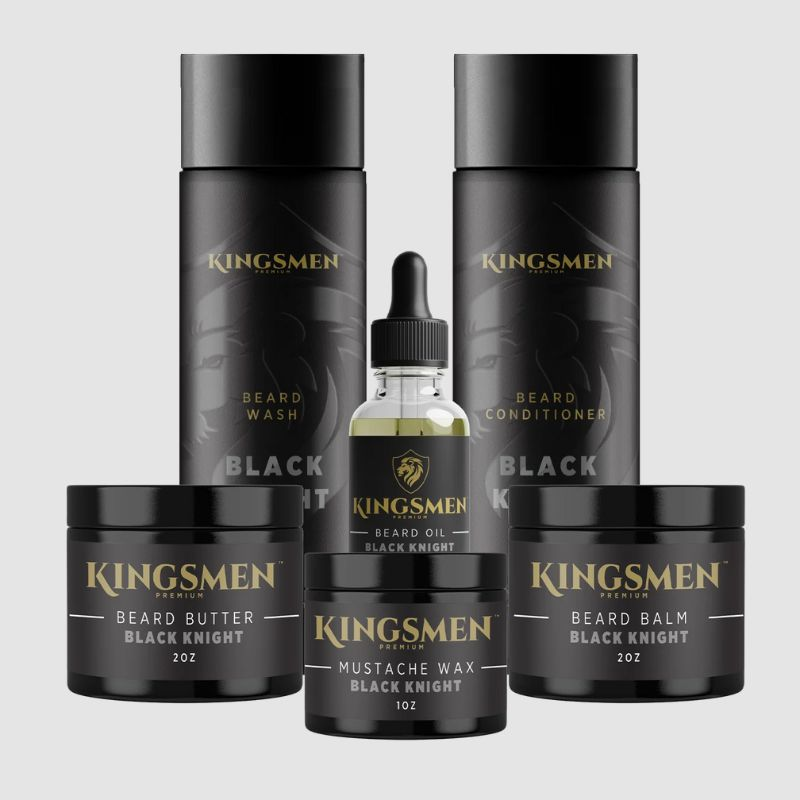
 Beard Care Kits
 Beard Oil
 Beard Butter
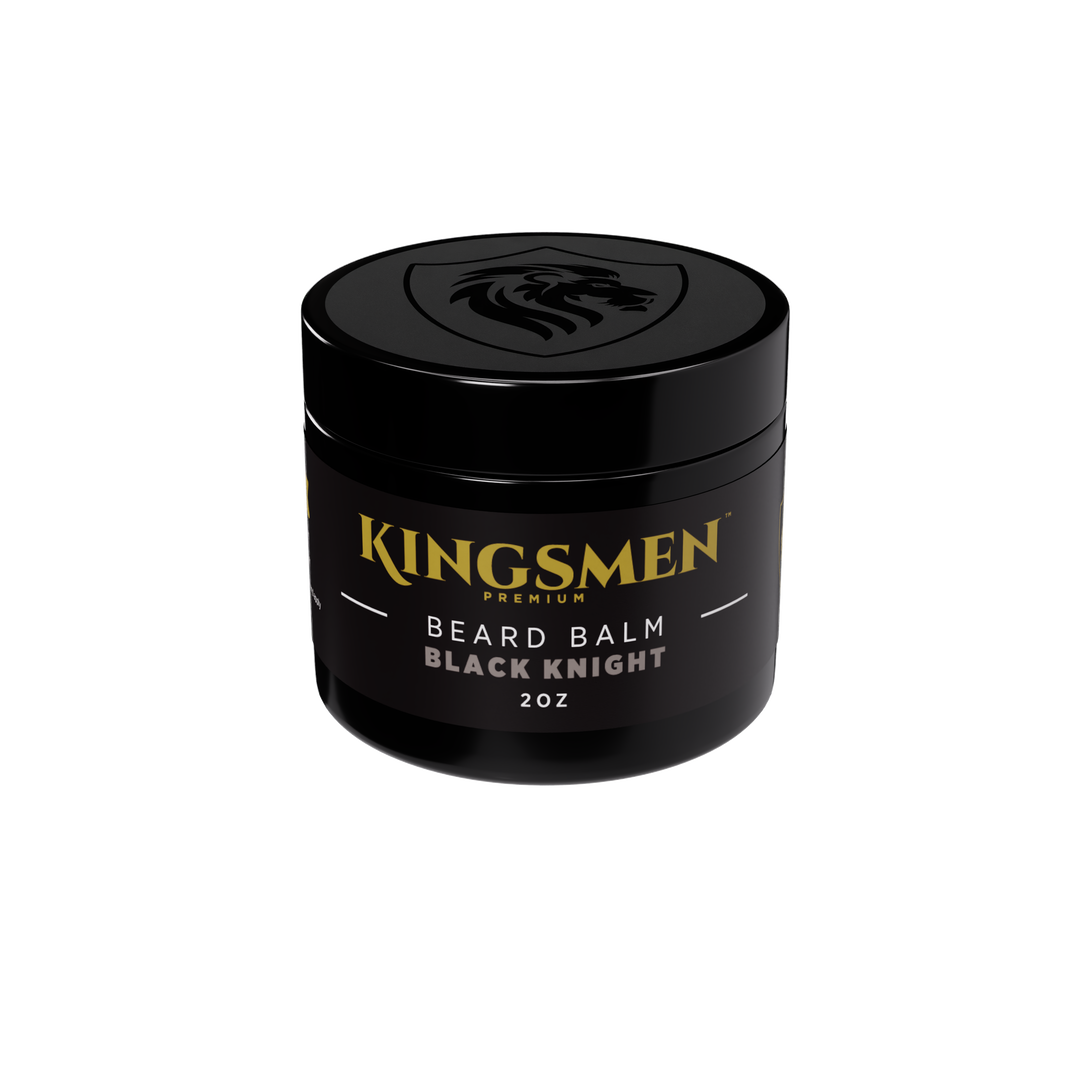
 Beard Balm
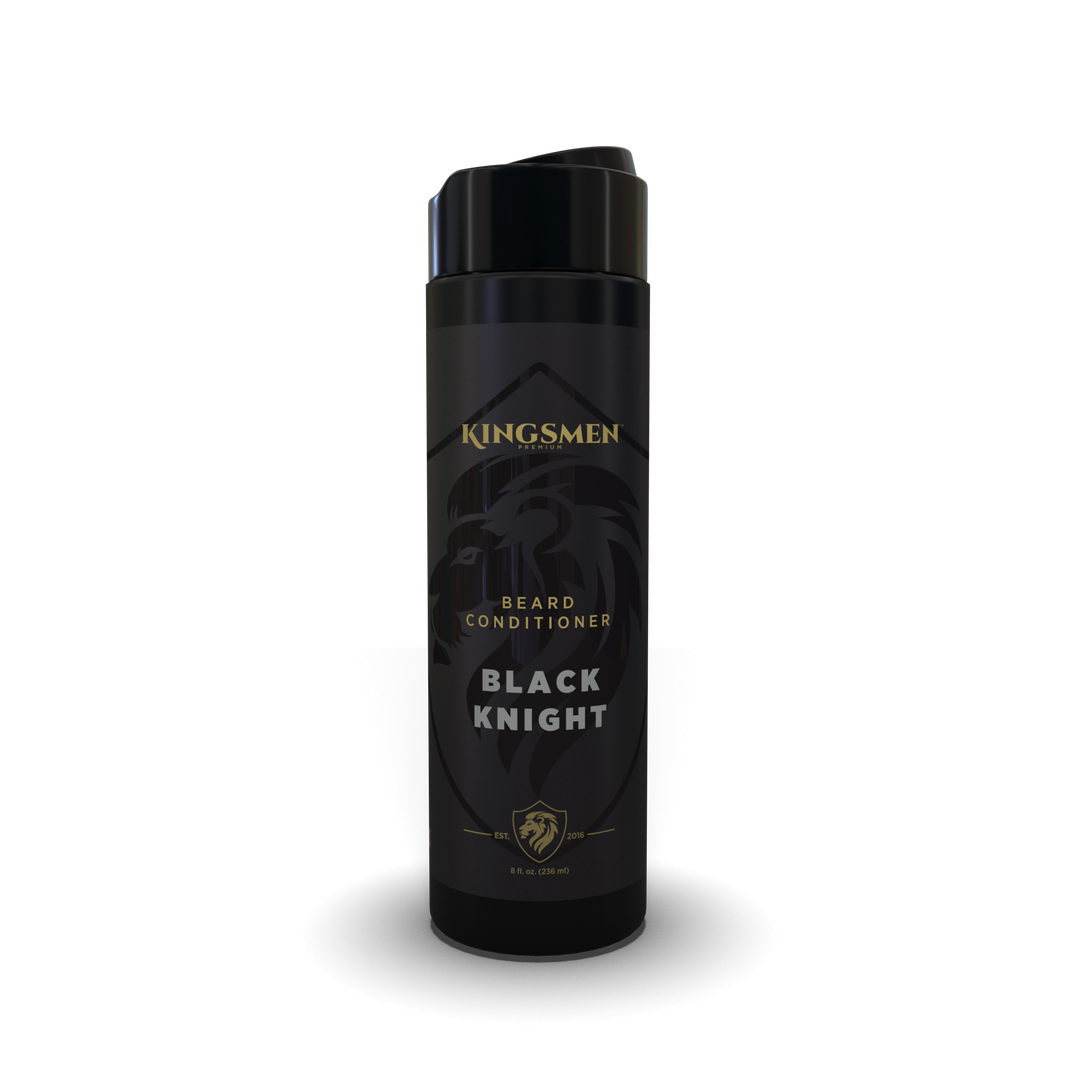
 Beard Conditioner
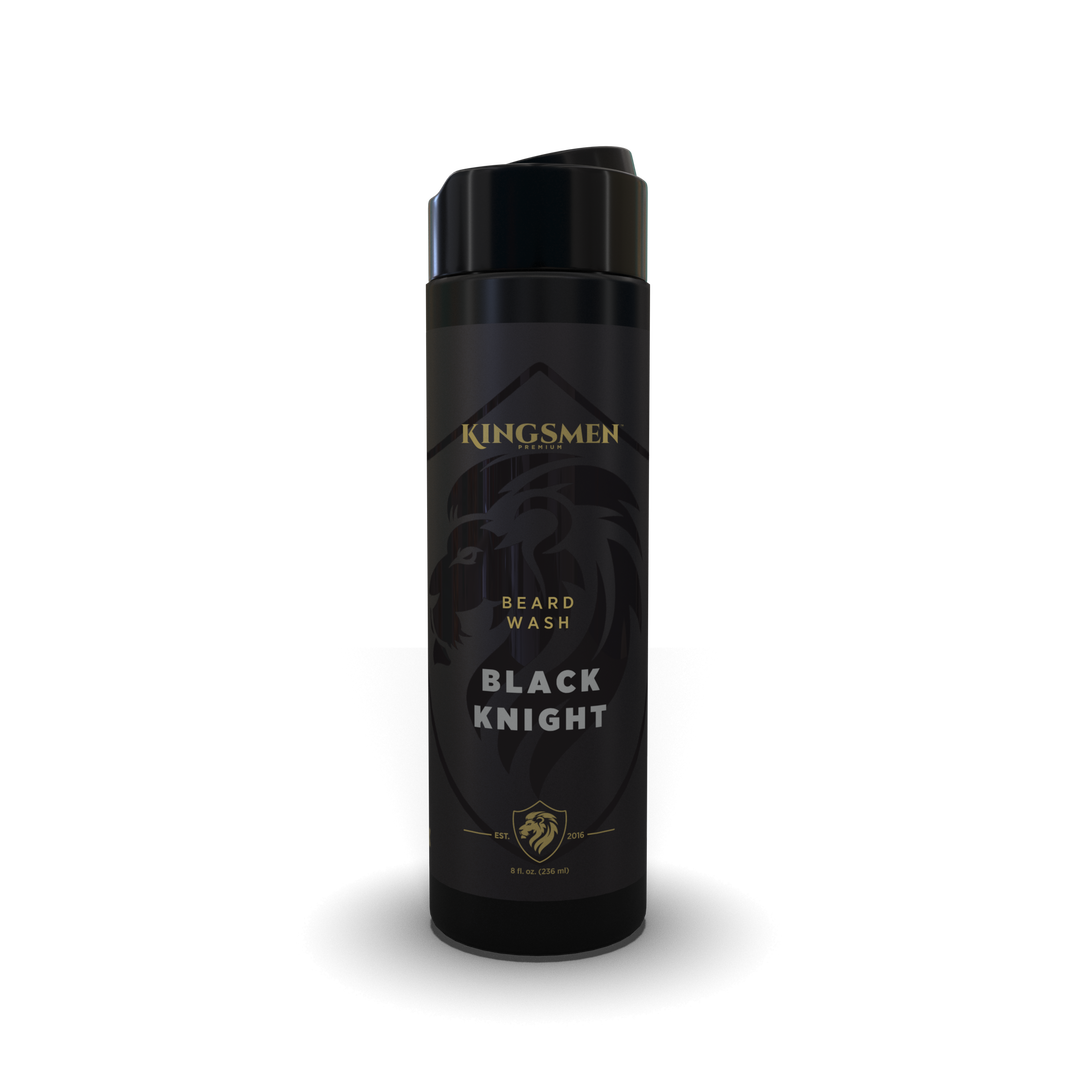
 Beard Wash
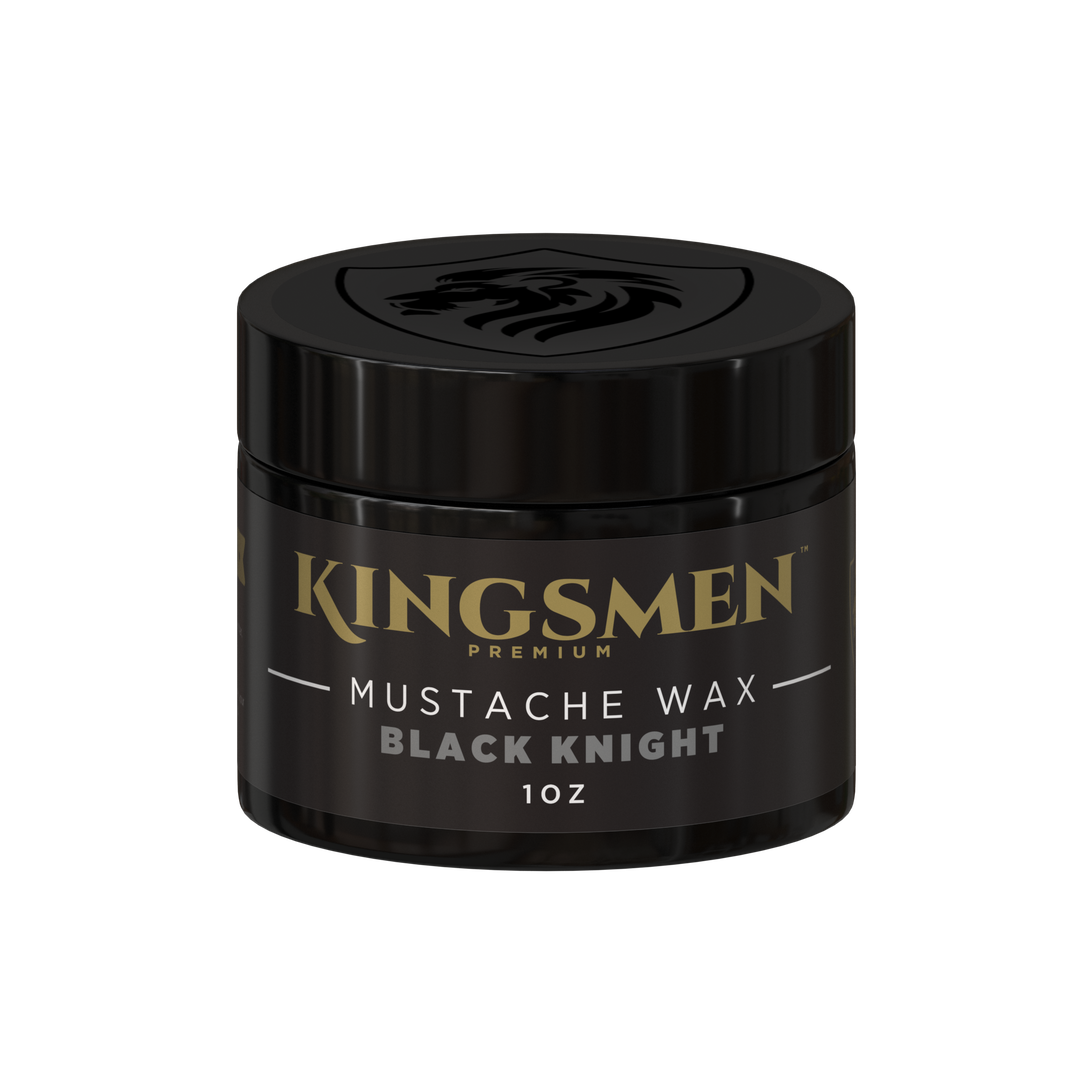
 Mustache Wax
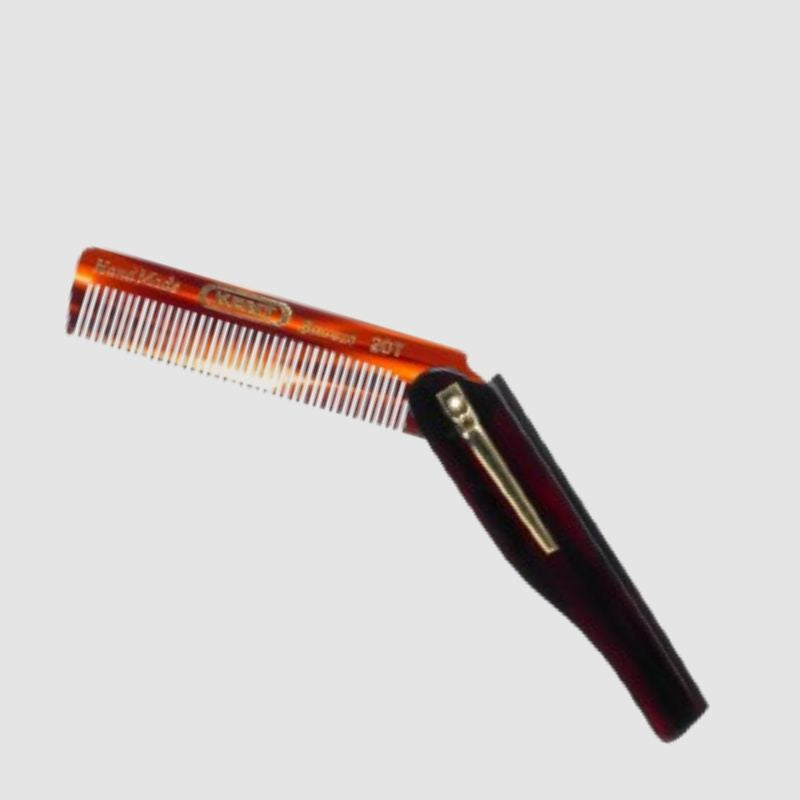
 Kent Combs and Brushes
 Monthly Scent Program
 All Hair
 All Gifts and Gear
 Gift Ideas
 T-Shirts
 Hats
Hats
 Hoodies
 Long Sleeves
 Accessories


How long does it take to grow a beard?

When you’ve decided to go from clean-shaven to a full beard, the transition can be a struggle. We all get impatient waiting for those glorious locks to fill out to their full magnificence.
Patchiness, uneven growth, and the inability to shape or style your beard as it grows can be frustrating, and every beardsman wonders: how long does it take to grow a beard?
Whether it’s your first, second, or fourteenth time growing a full beard, it can be hard to predict how long it will take—especially considering how many factors can affect average hair growth.
We’ve got you covered, Kingsmen! This guide explains every factor that affects beard growth—from genetics to testosterone levels—so you can better understand your timeline.
How Long Does It Take to Grow a Beard?

For most beardsmen, a full beard takes between 2–6 months depending on your age, race, genetics, stress, and lifestyle habits.
Your diet, stress levels, and grooming routine all affect growth speed. But there are many ways to promote faster, healthier beard growth.
Beard Growth Factors

Age
Prime beard-growing years fall between 25 and 40. Younger men often have patchier growth, while older men may see slower growth but better density.

Beard Care
Your beard care routine has a major impact on growth speed. Build-up, dry skin, and lack of moisture all slow growth.
Use moisturizing beard wash, conditioner, and beard oil to support healthy follicles.
Diet
Your diet has a huge impact on beard health. Foods rich in vitamins A, B, C, E, iron, potassium, and biotin all support hair growth.
Exercise

Exercise increases blood circulation, reduces stress, and helps regulate hormones—all essential for beard growth.
Genetics

Your genetics play a significant role in your beard’s growth rate, thickness, and distribution.
Race
Your race can influence beard density and growth patterns. Some ethnic groups naturally grow thicker beards than others.
Skincare

Skincare is essential for happy, healthy hair. Clean, exfoliate, moisturize, and protect your skin to support hair follicles.
Sleep

The sleep cycle is when your body regenerates cells and produces testosterone. Aim for 6–8 hours of sleep nightly.
Stress

Stress is hair’s worst enemy. It can cause hair loss and slow beard growth.
Testosterone

Testosterone is the primary hormone behind beard growth. For some men with clinically low levels, medically guided treatment may help.
Time
No matter what you do, growing a beard takes time. Most men need 2–6 months to reach their desired length.
Beard Growth Phases

Beard growth happens in stages: anagen, catagen, telogen, and exogen.
The Anagen Phase

This is the active growth phase, lasting 2–4 months for beard hair.
The Catagen Phase
A short transitional phase where growth slows and follicles shrink.
The Telogen Phase

This resting phase usually lasts around three months.
The Exogen Phase
Older hairs loosen and shed while new hairs begin to grow in the same follicles.
Beard Growth Starts with a Healthy Beard!

Patience, good beard care, sleep, stress reduction, and good health are key to growing a great beard. Shop Kingsmen Premium’s full beard care line to support healthy growth.